
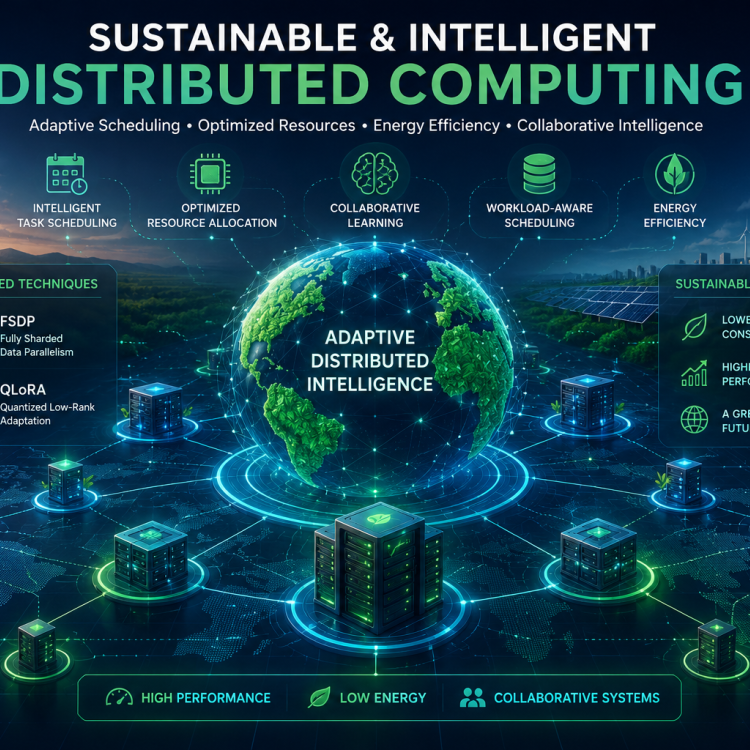
This research aims to design a sustainable framework for optimizing distributed computing systems to enhance performance while minimizing energy consumption. Existing scheduling algorithms often fail to consider workload heterogeneity, resulting in suboptimal performance and increased energy costs. This proposal addresses these gaps by introducing dynamic task assignment and workload-aware scheduling algorithms that dynamically adapt to system demands.
Research projects in Information Technology
Displaying 1 - 10 of 43 projects.
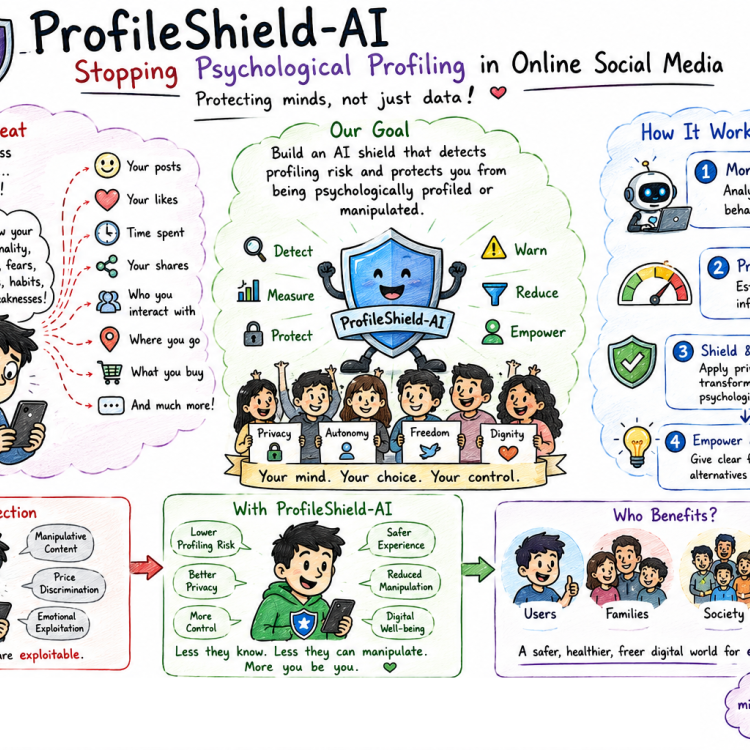
ProfileShield: Preventing Psychological Profiling and Behavioural Manipulation in Online Social Media
Please note that this PhD topic is offered exclusively at our Monash Malaysia campus and is not available at the Clayton campus.
Core PhD Question
How can we prevent AI systems, advertisers, platforms, and malicious actors from constructing psychological profiles of social media users while still allowing meaningful online interaction, personalization, and content discovery?
Supervisor: Dr Sanoop Mallissery
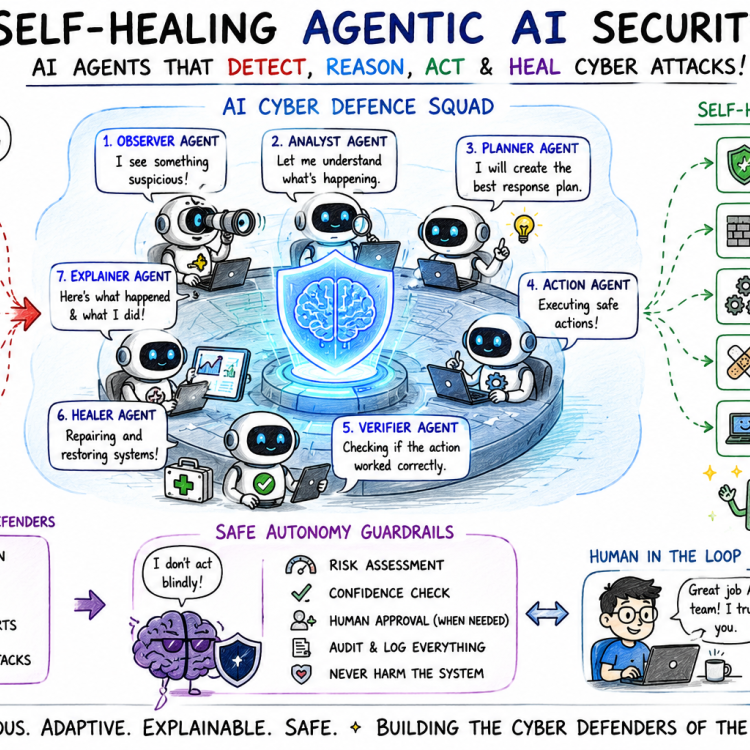
Self-Healing Agentic AI Security: Building Autonomous Cyber Defense Systems for the Post-LLM Era
Please note that this PhD topic is offered exclusively at our Monash Malaysia campus and is not available at the Clayton campus.
Core PhD Question
How can we design autonomous AI security systems that can detect, reason about, respond to, and recover from cyberattacks with minimal human intervention, while remaining safe, explainable, and resistant to manipulation?
Supervisor: Dr Sanoop Mallissery

Cyber-Immune Medical AI: Securing Future Healthcare Systems Against Adversarial, Privacy, and Agentic AI Threats
Please note that this PhD topic is offered exclusively at our Monash Malaysia campus and is not available at the Clayton campus.
Core PhD Question
How can we design future medical AI systems that remain secure, privacy-preserving, explainable, and clinically reliable when exposed to adversarial attacks, prompt injection, poisoned data, privacy leakage, and unsafe autonomous AI-agent behaviour?
Supervisor: Dr Sanoop Mallissery
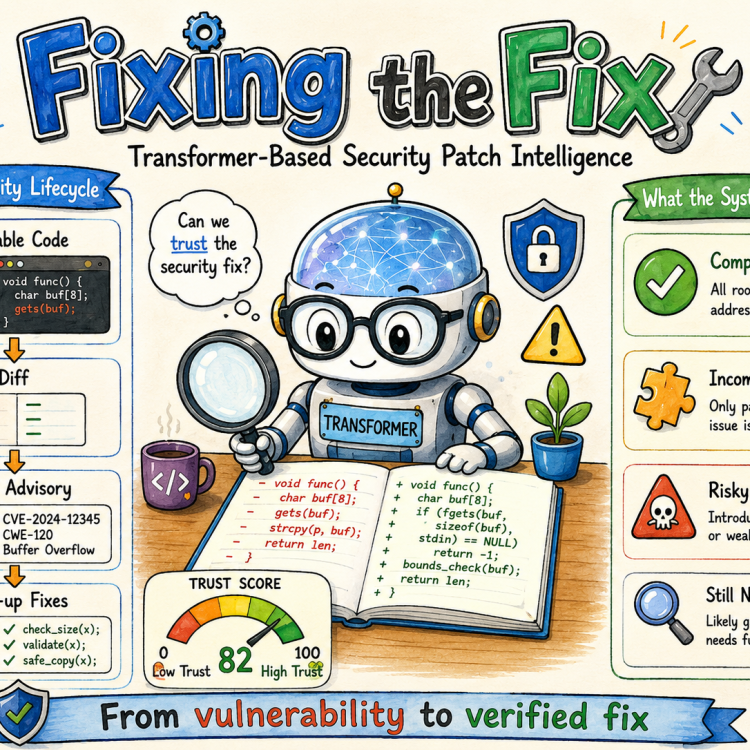
PatchSentinel-X: Transformer-Based Security Patch Intelligence for Vulnerability Lifecycle Assurance
Please note that this PhD topic is offered exclusively at our Monash Malaysia campus and is not available at the Clayton campus.
Core PhD Question
Can Transformer models understand the full lifecycle of a vulnerability; from vulnerable code, to patch, to advisory, to regression risk; and determine whether a security fix is complete, safe, and trustworthy?
So we are not planning to do the following:
Supervisor: Dr Sanoop Mallissery
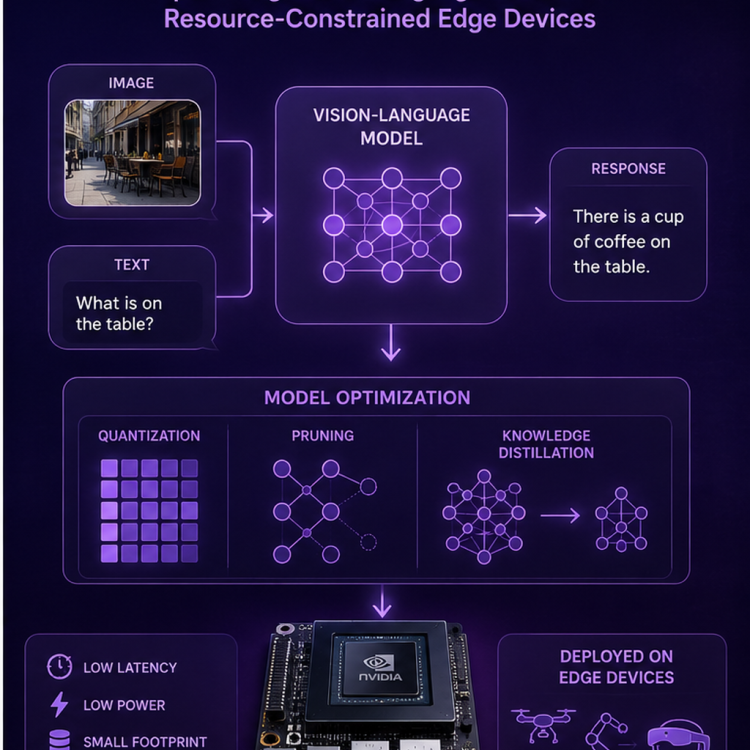
EdgeVLMOpt (EVO): Optimizing Vision-Language Models for Resource-Constrained Edge Devices
In EdgeVLMOpt (EVO): Optimizing Vision-Language Models for Resource-Constrained Edge Devices, we aim to develop efficient and scalable techniques to enable the deployment of advanced vision-language models (VLMs) on edge hardware. While VLMs have demonstrated strong capabilities in multimodal reasoning and understanding, their high computational and memory demands pose significant challenges for real-time, on-device applications.
Supervisor: Dr Mohammad Goudarzi

EdgeFusionAI (EFAI): Real-Time Multi-Sensor Multi-Modal Intelligence on Edge Devices
In EdgeFusionAI (EFAI): Real-Time Multi-Sensor Multi-Modal Intelligence on Edge Devices, we aim to design and develop efficient techniques for fusing heterogeneous sensory data, including vision, LiDAR, radar, and other modalities, to enable robust and real-time decision-making on resource-constrained edge platforms. This project focuses on building intelligent systems capable of integrating diverse data sources while addressing the challenges of limited computation, memory, and energy availability at the edge.
Supervisor: Dr Mohammad Goudarzi

Hybrid Quantum–Classical Algorithms for Scalable Data Systems and Intelligent Analytics
This PhD project focuses on the design and evaluation of hybrid quantum–classical algorithms for large-scale data analytics and optimisation problems.
The research will investigate how quantum computational techniques can be combined with classical systems to improve performance, scalability, and solution quality for tasks such as:
Supervisor: Prof Aamir Cheema
Enhancing SOC Efficiency: Automated Attack Investigation to Combat Alert Fatigue
Security Operations Centres (SOCs) play a central role in organisational defence and are responsible for continuous monitoring, detecting, investigating and responding to cyber attacks. Organisations increasingly depend on security tools to flag suspicious activity. These tools generate alerts that analysts must examine to determine whether they represent real attacks or false positives. However, the volume of alerts continues to grow at a pace that far exceeds what human analysts can realistically review.
Supervisor: Dr Mengmeng Ge
Generative-AI driven Requirements Regulation in Space Missions
see all the details here: https://careers.pageuppeople.com/513/cw/en/job/687090/phd-opportunity-on-generativeai-driven-requirements-regulation-in-space-missions
Supervisor: Dr Chetan Arora