
This PhD project will investigate how existing book contents (text and graphics/animations) can be automatically translated into accessible eBook formats with minimum human intervention. It will be part of the Books for the Vision Impaired and the GraVVITAS frameworks (www.monash.edu/it/inclusive-tech). The project will employ computer vision, image processing and human computer interaction techniques. It may also include hardware development of wearable assistive devices that use audio and haptic feedback.
Research projects in Information Technology
Displaying 41 - 45 of 45 projects.

Data Storytelling with learning data
I am seeking PhD candidates interested in working on designing Learning Analytics or similar reflection interfaces that automatically highlight design elements of data visualisations and generate narrative to communicate insights (instead of just plotting data).
Supervisor: Roberto Martinez-Maldonado
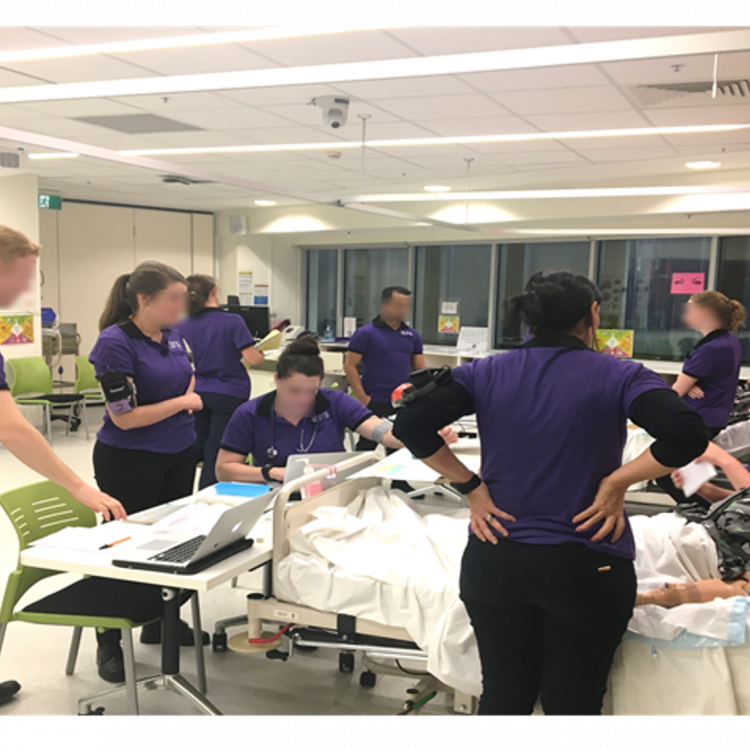
Teamwork Analytics
I am seeking PhD candidates interested in designing and connecting Multimodal Learning Analytics solutions according to the pedagogical needs and contextual constraints of teamwork occurring across physical and digital spaces.
Supervisor: Roberto Martinez-Maldonado
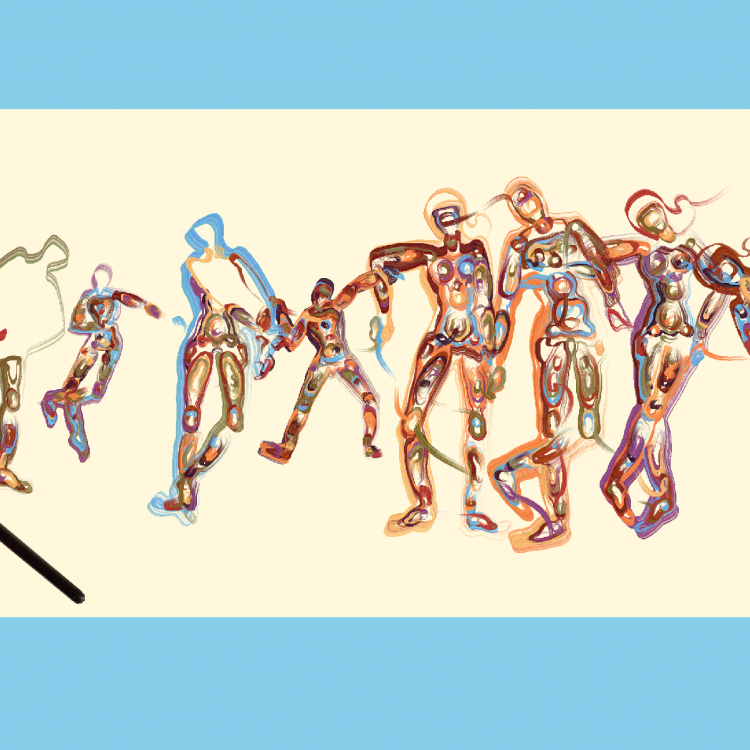
The Ethics of AI Art
In recent years, AI techniques such as GANs and associated deep learning neural networks have become popular tools applied to the production and creation of works of art. In 2018, AI Art made headlines around the world when a “work of art created by an algorithm” was sold at auction by Christie’s for $432,500 – nearly 45 times the value estimated before auction.
Supervisor: Prof Jon McCormack
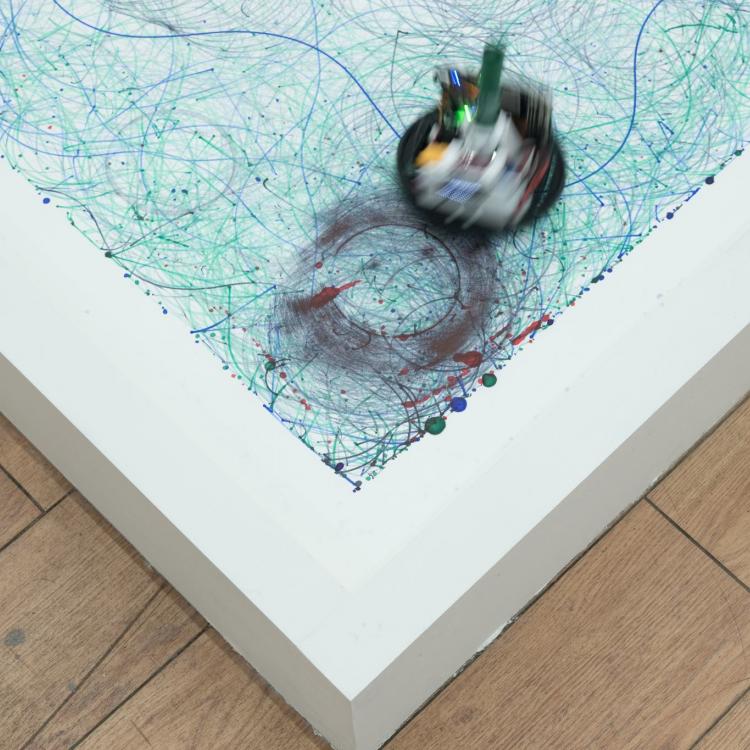
Teaching Robots to Draw
We normally think of drawing as an (almost) exclusively human activity. The idea behind this research is to explore the concept of post-anthropocentric creativity. We want to understand what art made by an autonomous, non-human intelligence might look like, and if artificial systems can exhibit what we recognise as creative behaviour. This behaviour and the drawings produced might not be the same as what humans would do.
Supervisor: Prof Jon McCormack